
Detect resistance before the clinic does.
TriAxis is building a wastewater-based metagenomic surveillance platform designed to surface antimicrobial resistance signals weeks ahead of clinical reporting. Currently in validation against published clinical data.
Conceptual: not measured data
Resistance is moving faster than our ability to see it.
By the time an antibiotic-resistant infection appears in a clinical report, the gene that caused it has been circulating in the community for weeks, sometimes months. Clinical surveillance is, by design, retrospective. It tells us where resistance has already taken hold, not where it is emerging.
Wastewater carries the community’s microbial signal, including the resistance genes circulating long before they reach the bedside. Reading that signal, rigorously and reproducibly, is the opportunity TriAxis is built around.
Annual deaths directly attributable to bacterial AMR
Lancet, 2022
Projected annual AMR deaths by 2050
O'Neill Review, 2016
Typical lag between community emergence and clinical detection
“Clinical surveillance tells us where resistance has been. Wastewater tells us where it is going.”
Resistance detection timeline
Signal lag: wastewater vs. clinical
Conceptual: not measured data
A wastewater-based platform for community-scale AMR early warning.
Our platform reads the full microbial and resistance gene content of community wastewater. Where targeted surveillance methods only find what they’re already looking for, our approach goes further, capturing both established resistance markers and the emerging, previously-uncharacterized signals a fixed panel would miss, and surfacing them as actionable early-warning intelligence.
Pillar 01
What It Detects
The full AMR gene landscape. Untargeted metagenomic sequencing captures known resistance markers, emerging variants, and novel resistance signals, in a single assay, from a single sample.
Pillar 02
How It Works
From sample to signal. Community wastewater moves through a standardized computational process that turns raw sequence into resistance trend signals. (We keep the detailed method confidential ahead of publication.)
Pillar 03
Current Stage
Prototype, in validation. We're validating the platform against published clinical AMR datasets, confirming its ability to detect community resistance signals ahead of clinical reporting, before any field deployment.
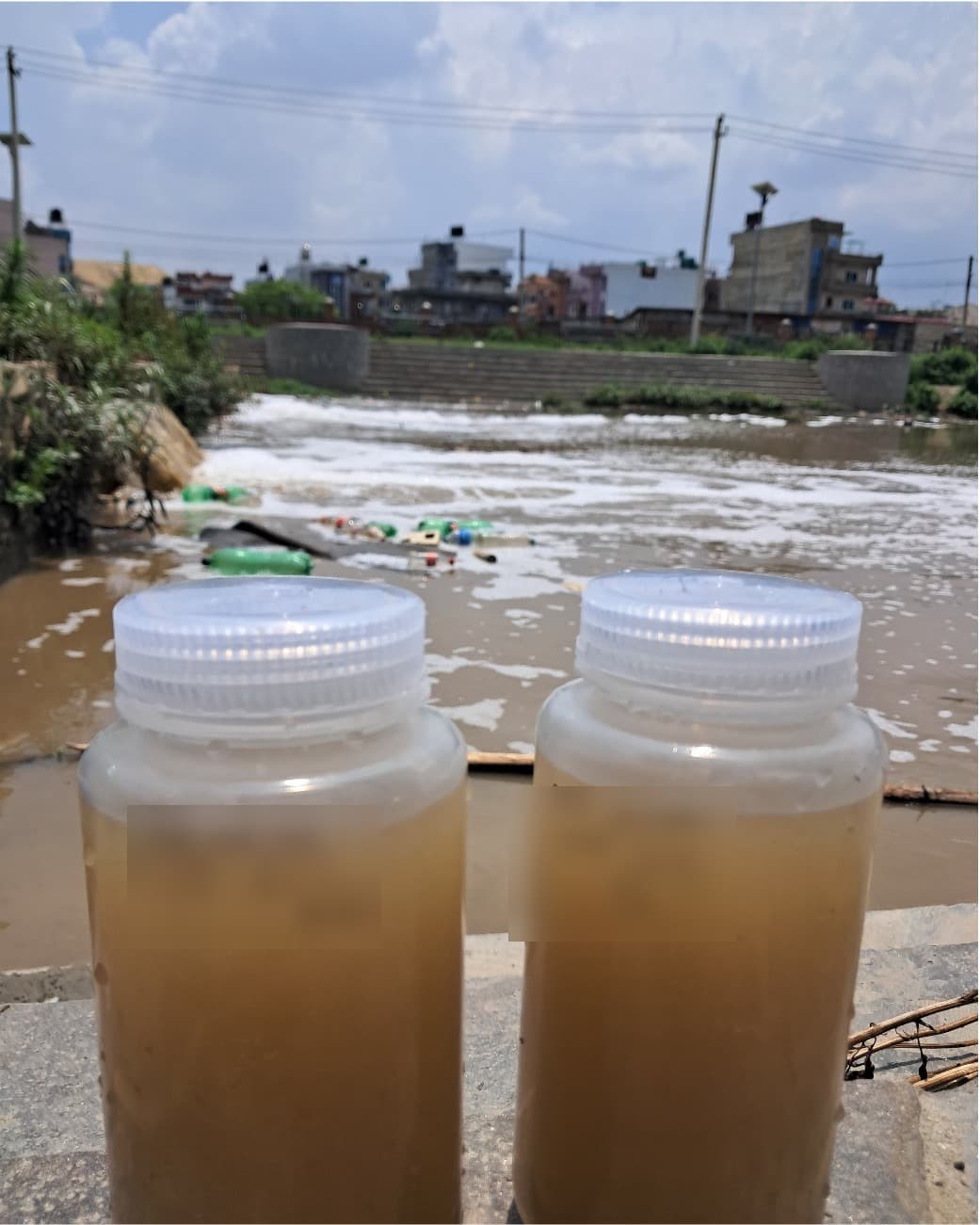
River water sample
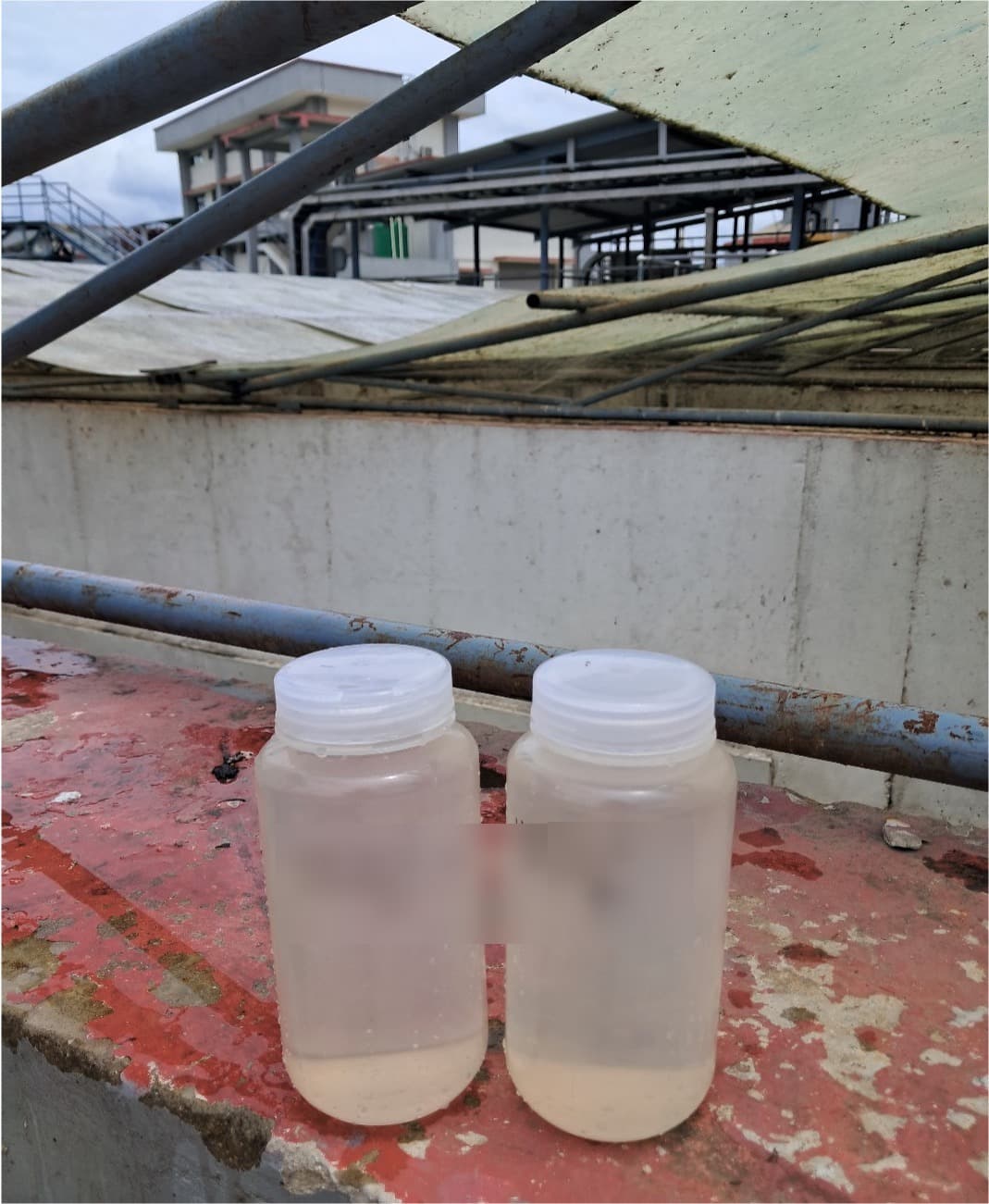
Effluent sample
Resistance index: 30d trend
Signal breakdown
Why metagenomics, and how we’re proving it works.
Why Metagenomics
We use metagenomics rather than targeted panels, capturing the full resistance signal in a sample, including what a fixed panel would miss.
Validation Approach
We validate the platform against published clinical AMR data before making any field claim. Methods will be shared through peer-reviewed publication.
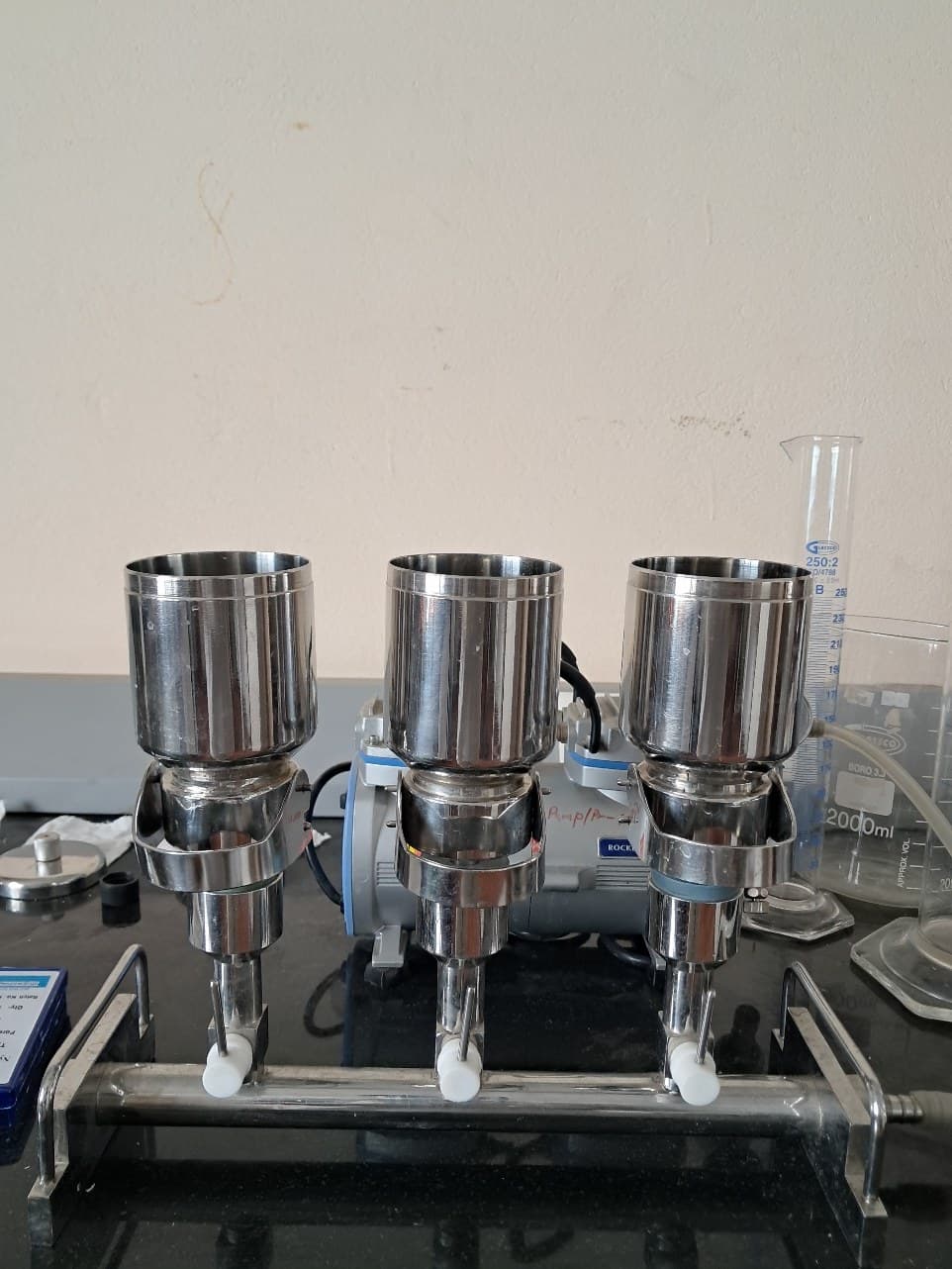
Sample processing: lab filtration setup
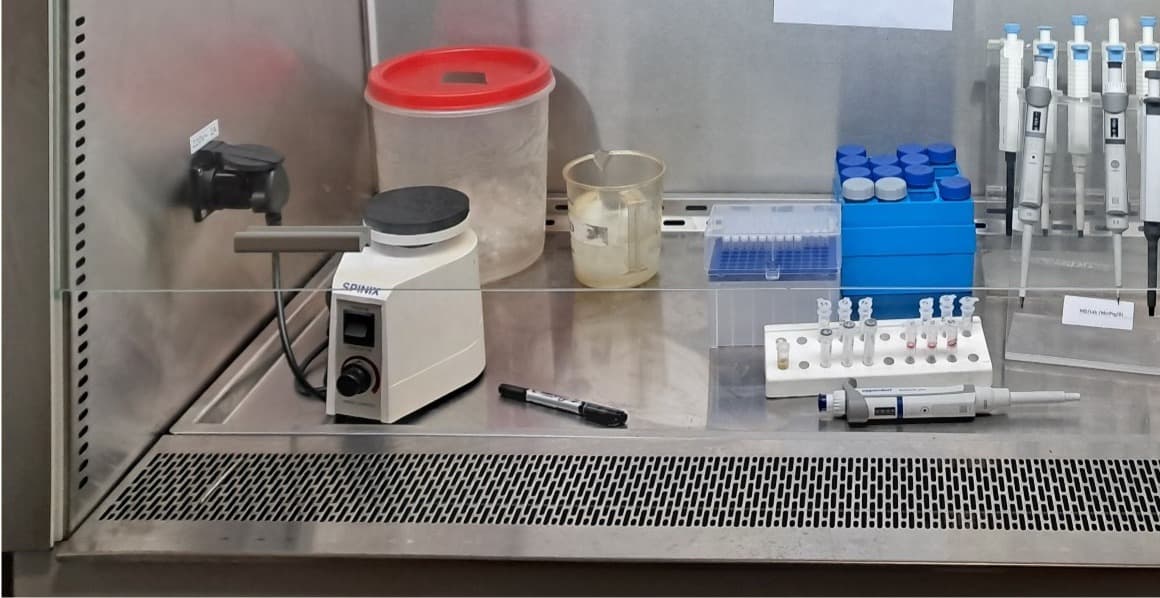
Sample processing: lab workspace
From the bench
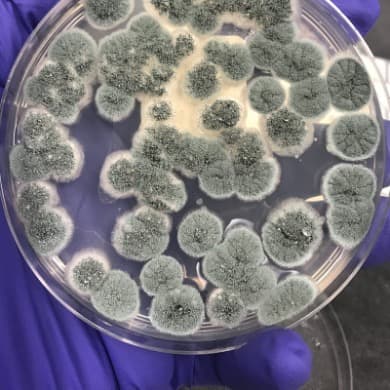
Colony morphology: microbiology lab
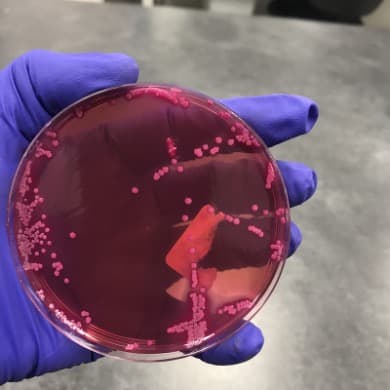
Sample characterization: in the lab
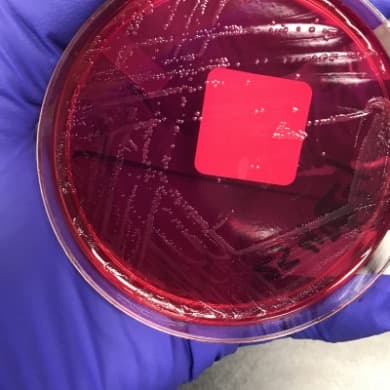
Differential growth media: bench work
Validation today. A network tomorrow.
Three phases, each one earned before the next begins. Field claims must be validated in data first.
Validation
Validating the platform against published clinical AMR datasets, quantifying how far ahead the wastewater signal anticipates clinical trends across regions. Methods paper in preparation.
- Validation against published datasets
- Cross-region benchmarking
- Methods paper preparation
Pilot
First field deployments with public-health partners. End-to-end testing of the system (sampling, sequencing, signal generation, dashboard delivery) in operational conditions.
- First sewershed partnerships
- Live dashboard for partner agencies
- Operational protocols and SLAs
Network
A multi-region surveillance network, interoperable, openly documented, and integrated with national and supranational public-health systems.
- Multi-country coverage
- Cross-network signal sharing
- Integration with WHO / ECDC / CDC frameworks
We’re looking for three kinds of partners.
The TriAxis Platform is in active development. We’re building it alongside the partners who will use it.
01 · Public Health & Hospital
Public Health & Hospital Programs
Public-health agencies, hospital infection-control programs, and water utilities ready to host the first field pilots of the platform, co-designing the operational protocols alongside us.
Ideal fit: Agencies, hospital infection-control teams, and utilities running existing AMR or wastewater surveillance, looking to extend their early-warning capability.
02 · Research Collaboration
Research Collaboration
Academic groups working on AMR ecology, metagenomic methods, or wastewater epidemiology: co-authored studies, shared validation datasets, methodological exchange.
Ideal fit: Labs with relevant data, infrastructure, or methodological expertise.
03 · Strategic & Funding
Strategic & Funding
Mission-aligned investors, philanthropic funders, and pharma/diagnostics partners who view AMR early-warning as foundational infrastructure.
Ideal fit: Capital partners and strategics focused on infectious disease, public health, or biosecurity.
Where rigorous science becomes public-health infrastructure.
TriAxis Biosciences is building the early-warning surveillance system that antimicrobial resistance has been missing.
Translating metagenomic research into infrastructure that public-health agencies can deploy and depend on.
- 01Surveillance should be predictive, not just retrospective. Wastewater is the earliest community-level signal we have.
- 02Methods transparency is non-negotiable. Public-health decisions need auditable evidence, not black boxes.
- 03Validation comes before deployment. Field claims must be earned in the data first.
Ready to build the early-warning system AMR needs?
Whether you’re a public-health agency, a research group, or a mission-aligned funder, we want to hear from you. Reach out directly or use the form below.
Send us a message
Tell us about your organization and what you have in mind. We’ll follow up within two business days.